

Table of Contents
This article is for informational purposes only and does not constitute medical advice.
As climate change intensifies and environmental pressures mount, the long-term sustainability of natural medicine has become a pressing global concern. Resilient genetics—the science of developing plant varieties that can withstand drought, extreme temperatures, pests, and soil degradation—is emerging as one of the most effective solutions. Innovative breeding programs, such as Relentless Genetics initiatives that focus on durability and environmental adaptability, are producing strains that can thrive in challenging conditions. Equally important is access to high-quality genetics through trusted platforms like https://pars-planet.com/, which provide researchers, licensed growers, and institutions with premium, resilient seeds for legal and sustainable purposes. By 2025, these combined efforts will help secure the future of natural medicine by reducing reliance on fragile wild populations and minimizing ecological footprints.
The Growing Need for Sustainability in Natural Medicine
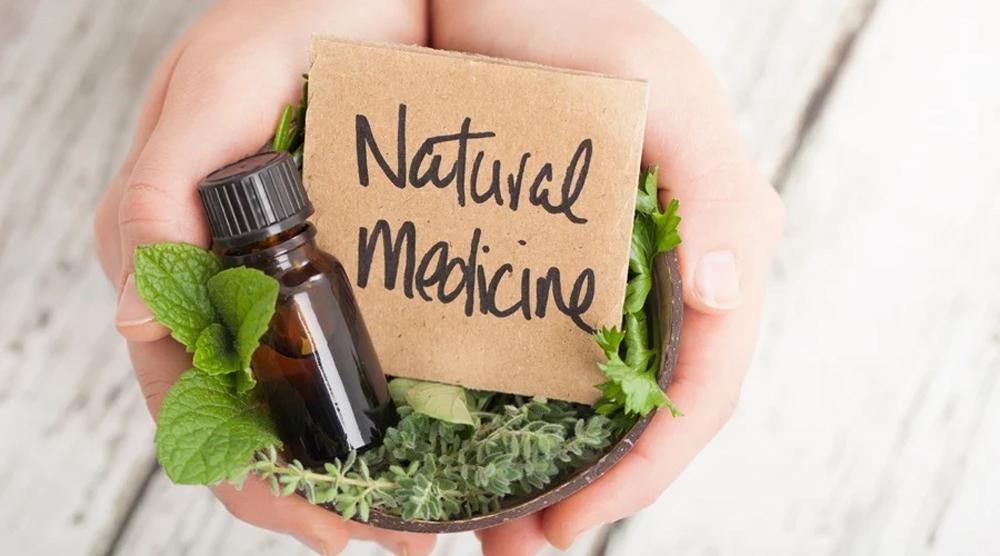
Natural medicine has been a cornerstone of human health for millennia, drawing from diverse botanicals such as echinacea for immune support, ginseng for vitality, and turmeric for its historical anti-inflammatory properties. However, overharvesting, habitat destruction, and climate variability now threaten many of these sources. According to recent reports from biodiversity organizations, up to 30% of medicinal plant species are at risk from environmental changes. Sustainable cultivation is crucial for preventing depletion and ensuring a consistent supply. Resilient genetics addresses this by creating varieties that require fewer resources, naturally resist diseases, and adapt to shifting climates—key factors in maintaining the integrity of natural medicine supply chains.
Climate Challenges and Their Impact on Medicinal Plants
Rising global temperatures, unpredictable rainfall patterns, and increased pest activity are disrupting traditional agricultural regions. For example, valerian root production has been affected by drier soils in parts of Europe, while chamomile yields suffer from heatwaves. These disruptions not only reduce harvests but also cause inconsistencies in the concentration of bioactive compounds, challenging the reliability of natural medicine. Without adaptive strategies, costs rise, and access diminishes. Resilient genetics counters this through selective breeding that enhances tolerance traits, allowing plants to maintain quality and yield even under stress.
Understanding Resilience in Plant Breeding
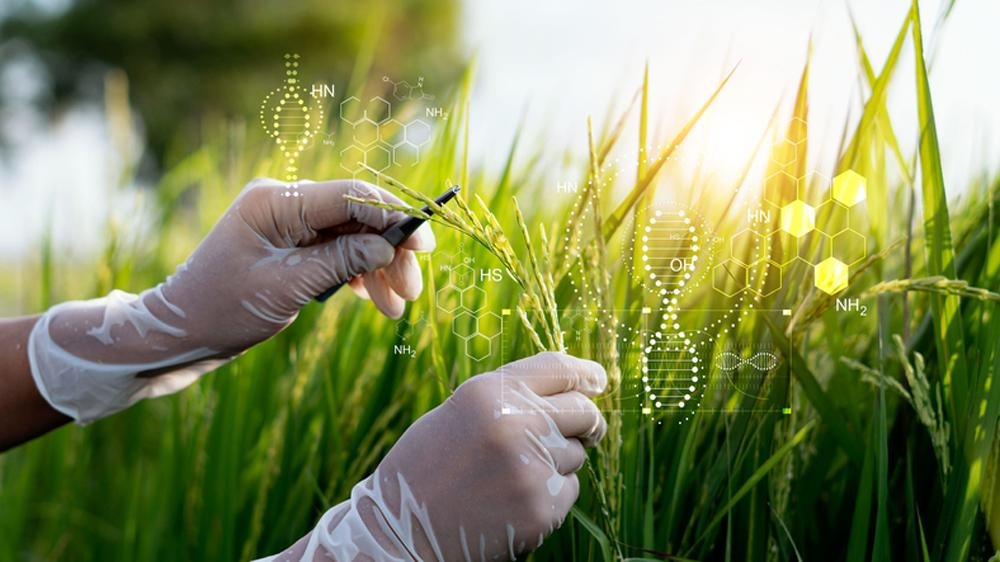
Resilient genetics combines traditional selection with modern genomic tools to build inherent strength into plants. This approach prioritizes natural defenses over chemical dependencies, aligning perfectly with the principles of sustainable agriculture.
Key Traits of Resilient Varieties
Core traits include drought tolerance, resistance to pests and diseases, enhanced root systems, and improved nutrient efficiency. In ginseng, resilient lines have been developed to handle variable moisture levels better while preserving ginsenoside profiles. Turmeric varieties now exhibit more substantial resistance to root rot in humid conditions, and echinacea strains maintain their alkylamide content despite fluctuations in soil nutrients. These traits reduce water usage by up to 25% in some cases and minimize pesticide needs, directly supporting eco-friendly production for natural medicine.
The Role of Precision Breeding in Sustainability
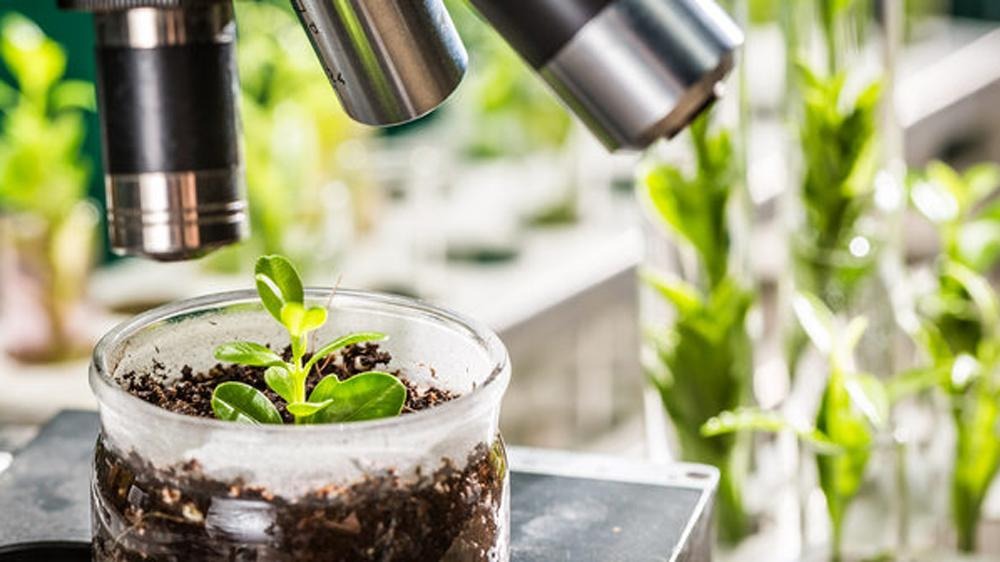
Precision breeding utilizes marker-assisted selection and genomic sequencing to rapidly and accurately identify and amplify genes that confer resilience. Unlike older methods that relied on trial and error over generations, this technology accelerates development while preserving genetic diversity. The result is robust plants that contribute to soil regeneration, carbon storage, and biodiversity—essential for the circular economy of natural medicine.
Breakthroughs in Resilient Strains for Natural Medicine
Recent years have seen significant progress in creating resilient strains tailored for medicinal applications, driven by collaboration between breeders and research institutions.
Examples from Leading Breeding Initiatives
Advanced chamomile varieties demonstrate superior heat tolerance, ensuring stable essential oil production. Valerian lines feature deeper roots for improved drought resistance, and turmeric hybrids resist common pathogens without the need for synthetic aids. These breakthroughs highlight how focused breeding can sustain traditional botanicals in modern contexts, providing reliable material for natural medicine while protecting ecosystems.
Environmental Benefits of Resilient Genetics
By thriving in marginal lands, resilient plants reduce pressure on pristine habitats. They support integrated farming systems that improve soil health, prevent erosion, and enhance pollinator populations. Lower input requirements translate to reduced greenhouse gas emissions, making resilient genetics a powerful tool for climate-positive agriculture in the realm of natural medicine.
Accessing Resilient Genetics Responsibly
Ethical and compliant sourcing is fundamental to realizing these benefits. Researchers and authorized growers must prioritize quality and legality.
The Importance of Trusted Sources
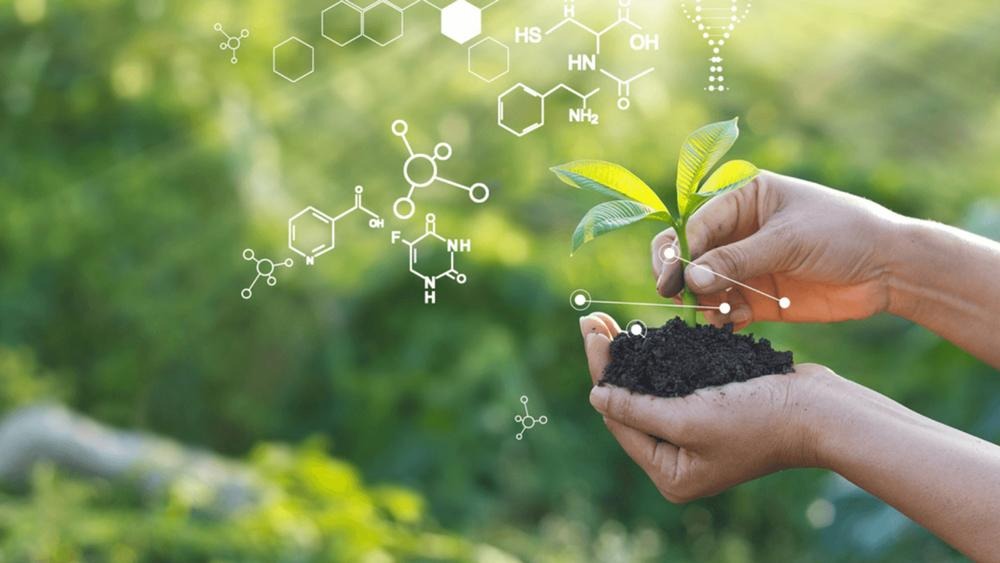
Reputable providers ensure seeds meet strict standards for genetic purity and resilience. This supports responsible innovation and long-term sustainability goals in natural medicine.
Regulatory Framework and Ethical Considerations
Sustainability and Compliance in the European Union
The EU’s Green Deal and biodiversity strategies encourage resilient, low-impact farming. Directive 2004/24/EC establishes rigorous standards for safety and quality in traditional plant products, promoting sustainable sourcing and the ethical use of genetic resources.
FAQ
- What is resilient genetics in the context of natural medicine? It refers to breeding plants with built-in tolerance to environmental stresses, ensuring sustainable access to medicinal resources.
- How does climate change affect sources of natural medicine? It disrupts growth and yields, increasing the need for adaptive, resilient varieties.
- What are the benefits of precision breeding for sustainability? It produces resource-efficient plants that lower environmental impact and support biodiversity.
- Where can I find reliable, resilient genetics for medicinal plants? Compliant, reputable sources provide premium seeds for legal research and cultivation.
- How do EU regulations support sustainable natural medicine? They enforce safety, quality, and eco-friendly practices through directives and policies.
The use of natural medicine and plant-based approaches is subject to local laws and regulations, particularly in the European Union, where claims must be supported by scientific evidence or traditional use, as outlined in Directive 2004/24/EC. Always consult a healthcare professional before using any plant-based products. The purchase and cultivation of plant seeds may be restricted; please verify the legal status in your region.